
**Introduction: The Chilling Reality of Forced Illegal Adoptions**
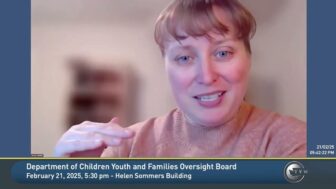
In an alarming exploration of a sensitive and frequently enough hidden issue,the YouTube video ”Targeting parents with blue eyes for forced illegal adoptions” sheds light on the troubling practices surrounding child welfare and adoption. As the dialog unfolds,it becomes increasingly evident that the children caught at the center of this controversy are not mere statistics but individual lives,with their own stories,struggles,and potential futures at stake. The discussion, featuring insights from lawmakers and experts in child welfare, highlights the unsettling trend of targeting specific demographic groups based on superficial attributes and the ethical ramifications of such actions. As we delve deeper into the conversation,we invite you to join us in examining the implications of these practices,and what they reveal about broader societal issues regarding race,identity,and the rights of families. With a mix of real-life experiences and expert testimonies, this blog post aims to unpack the complex narratives surrounding illegal adoptions and the desperate need for reform in our child welfare systems.
Recognizing the Complexities of Blue Eye Parent Targeting in Adoption Practices

in the intricate landscape of adoption practices, the targeting of parents with blue eyes—often perceived as a rare and desirable trait—highlights a disturbing trend rooted in societal biases and unethical practices. Research indicates that certain physical characteristics can unwittingly contribute to discriminatory behaviors, with blue-eyed individuals being prioritized in forced adoptions. This practice feeds into a troubling narrative where adoption becomes commodified, reducing children to mere assets based on genetic traits rather than nurturing environments or parental fitness. As we navigate these ethical dilemmas, vital questions arise regarding the implications of such targeting, which may perpetuate systemic inequalities and reinforce racial biases.
To better understand the ramifications of this targeting, several factors must be examined:
- Societal Preferences: The interest with blue eyes can lead to a hierarchy that values children based on appearance.
- Legal Implications: Targeting specific traits could contravene laws designed to protect child welfare and parental rights.
- Psychological Impact: Children adopted under these circumstances may face identity issues and questions of belonging in their adoptive families.
To further illustrate the consequences of this approach, consider the following table that outlines potential effects of blue eye parent targeting:
| impact | Description |
|---|---|
| Identity Conflicts | Children may struggle with self-image and acceptance due to imposed societal values. |
| Legislation Gaps | A lack of regulations can enable unethical practices in adoption. |
| Cultural disruption | Targeting based on looks can fragment community ties and cultural heritage. |
Understanding the Implications of Forced illegal Adoptions on child Welfare

Forced illegal adoptions not only strip children of their rightful connections to their biological families but also leave a lasting impact on their overall welfare and growth. Children adopted through such means often face significant challenges, including identity confusion, attachment issues, and a profound sense of loss.These challenges can lead to severe emotional and psychological consequences, affecting their ability to form stable relationships in the future. Moreover, when specific groups, such as parents with blue eyes, are targeted, it raises alarming questions about racial and genetic biases within the adoption process, ultimately perpetuating inequalities and stigmas.
Addressing the implications of these illegal practices is crucial for ensuring comprehensive child welfare. It requires a multi-faceted approach, including:
- Legal Reform: Advocating for stricter laws to prevent illegal adoptions.
- Awareness Campaigns: Educating the public on the impact of forced adoptions and the importance of family reunification.
- Support Services: Providing psychological and emotional support to affected children and families.
- Research Initiatives: Conducting studies to understand the long-term effects of illegal adoptions on individuals and society.
| aspect | Implication |
|---|---|
| Emotional Impact | Increased risk of anxiety and depression. |
| Social Integration | Difficulty in social relationships and trust issues. |
| Identity Development | Confusion regarding personal identity and belonging. |
| Family Dynamics | Broken familial ties leading to feelings of abandonment. |
Strengthening Legal Frameworks to Protect vulnerable families in Adoption Scenarios

To effectively combat the disturbing trend of targeting specific demographics, such as parents with blue eyes for forced illegal adoptions, we must enhance legal frameworks that prioritize the protection of vulnerable families. This requires a multi-faceted approach that includes:
- Implementation of Strict Regulations: Strengthening laws around adoption practices to ensure clarity and accountability.
- Robust Training for Social workers: Equipping social workers with resources and training on ethical adoption processes to prevent coercive practices.
- Thorough Background Checks: Implementing comprehensive checks on potential adoptive families to safeguard the welfare of children and biological parents alike.
Moreover, collaboration among government agencies and non-profit organizations is essential in building a resilient network that can respond promptly to instances of exploitation. by sharing best practices and data, stakeholders can identify trends and implement effective interventions. This includes:
- Creating Awareness Campaigns: Educating communities about their rights and the signs of illegal adoption practices.
- Establishing Reporting Mechanisms: Providing safe and accessible ways for families to report suspected abuses without fear of retaliation.
- Advocating for Legal Resources: Ensuring that families impacted by illegal practices have access to legal support and guidance.
Engaging Communities to Foster Awareness and Advocacy Against Illegal Adoption Practices

in our efforts to combat the alarming trend of forced illegal adoptions targeting parents with blue eyes, community engagement is paramount. by fostering open dialogues and awareness campaigns, we can educate potential parents on the manipulative tactics employed by traffickers. **Involvement at the grassroots level** not only empowers families with knowledge but also creates a network of vigilance that can hinder the operations of those who exploit innocence for profit. Key strategies include:
- **Workshops and Seminars**: Organizing educational sessions that inform parents about their rights and the legal frameworks surrounding child adoption.
- **Community Outreach**: Collaborating with local organizations to reach vulnerable populations, ensuring they are aware of the red flags associated with illegal adoption practices.
- **Support Groups**: Establishing safe spaces for families where they can share experiences and seek advice on adoption-related concerns.
Additionally, creating partnerships with local law enforcement and child welfare agencies has proven crucial in addressing these issues. By forming **joint task forces**, we can better share data and resources, leading to more effective prevention measures. A focus on examination and advocacy will provide a clearer understanding of the trends in illegal adoptions, notably those exploiting specific demographic characteristics like eye color. Below is a breakdown of the potential impact of each strategy:
| Strategy | Impact |
|---|---|
| Workshops and Seminars | Increased awareness and preparedness among parents |
| Community Outreach | Broader reach to at-risk populations |
| Support Groups | Creation of community solidarity and shared resources |
| Joint Task Forces | Enhanced law enforcement responsiveness |
To Wrap It Up
As we wrap up our exploration of the deeply concerning issue highlighted in the YouTube video “Targeting Parents with Blue Eyes for Forced Illegal Adoptions,” it’s clear that the discussion taps into a complex web of societal, ethical, and legal implications. The introduction of new perspectives on the oversight board sheds light on the critical need for informed advocacy and systemic change within the realm of child welfare.
It’s critically important to remember that behind every statistic and every policy change, there are real lives affected—children and families whose futures can be altered in an instant. The contributions of dedicated individuals like the new members of the oversight board bring hope for a more equitable system that prioritizes the well-being of every child, regardless of their background or circumstance.As we move forward, staying informed and engaged is essential.This isn’t just a topic for discussion; it’s a call to action. We invite you to share your thoughts in the comments below,continue the conversation in your communities,and remain vigilant in advocating for transparency and justice in child welfare practices.Together, we can work towards a future where every child has the opportunity to grow up in a loving and supportive surroundings. Thank you for joining us in this critical conversation, and we hope to see you back here as we delve into more important topics in the future.