
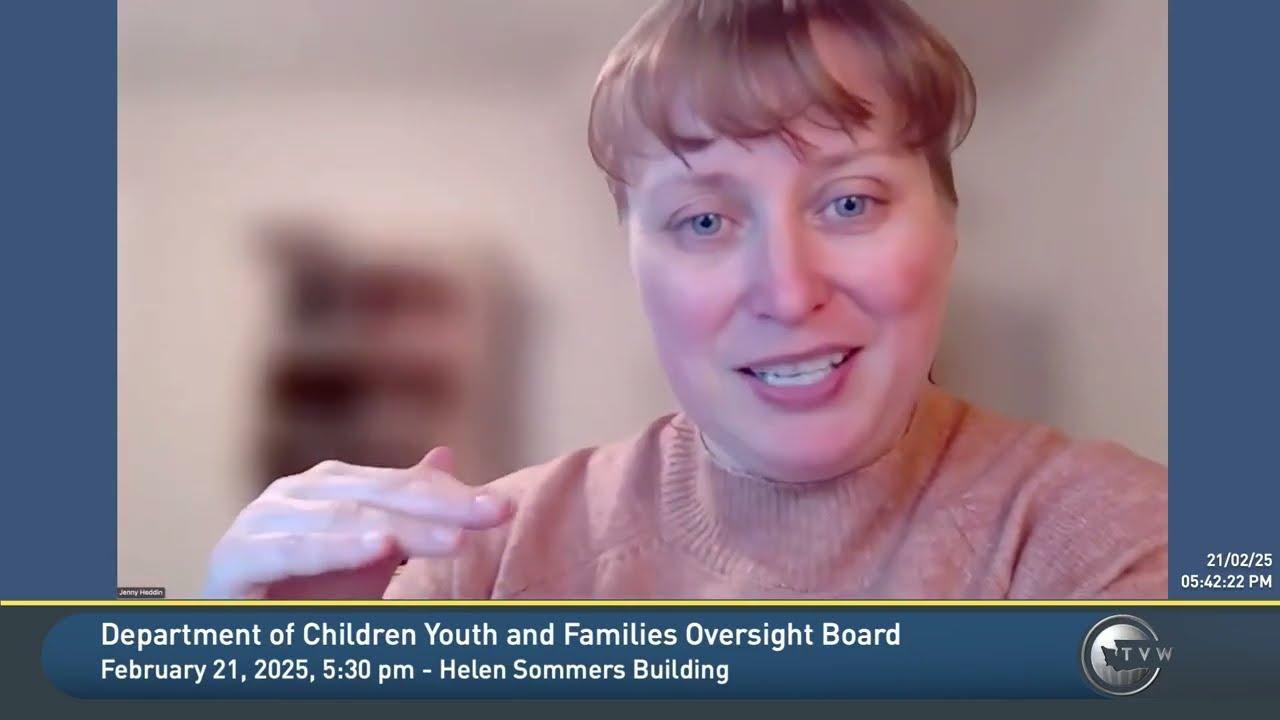
In March 2025, a DCYF (Department of Children, Youth, and Families) meeting in Washington State brought together key figures dedicated to improving child welfare and early learning. Held on a Friday evening, the meeting underscored the commitment of its members despite the busy end-of-week schedules. The introduction of three new board members-including educators and policy advisors-demonstrates the agency’s focus on incorporating diverse perspectives and expertise into its ongoing work for children and families. During the meeting,Representative Steve Berquist highlighted the importance of advocacy for children’s needs,while Anna Armstrong brought insights from Native American education,emphasizing the significance of culturally responsive practices in the educational system. With a third member from the governor’s office joining soon, the board aims to enhance collaboration and effective strategies for addressing the challenges faced by vulnerable populations. As the dynamics of this meeting unfold, it reflects a renewed dedication to serving Washington’s children and ensuring their voices are heard in critical policy discussions.
Welcoming New perspectives to the DCYF Board
In a spirited meeting on a Friday evening, the DCYF Board warmly welcomed three new members, enriching our collective mission to serve the children and families of Washington State. Among them is Representative Steve Berquist, whose background as a school teacher and involvement in early learning initiatives ensures that educational perspectives are well-represented at the table. His insights will be invaluable as we strive to navigate the complexities of human services together, enhancing our approach to meet the needs of all children across the state.
Another fantastic addition is Anna Armstrong, currently the Director of Education at the Kisel tribe and an influential figure in Native American education circles. With her extensive experience since 2005, Anna brings a cultural outlook that is essential for fostering inclusive policies. Additionally, we look forward to welcoming Spuy Garland from the Governor’s office, whose expertise in child welfare and early learning will guide us in our ongoing efforts to improve juvenile rehabilitation programs. As we embark on this journey with our new members,we are optimistic about the fresh perspectives they will contribute to the Board.
Enhancing Collaborative Efforts in Child Welfare
As we gathered for the DCYF meeting this March, a palpable sense of collaboration filled the room. With the introduction of three new board members, including Representative Steve Berquist and Anna Armstrong from the Kisel Tribe, our discussions took on a renewed urgency and perspective. Their diverse backgrounds and experiences will not only enrich our conversations but also enhance our capacity to make informed decisions that influence the welfare of children and families across Washington state. We acknowledged the effort of everyone present, especially those who made time for a Friday evening meeting, emphasizing our collective commitment to the mission of DCYF.
The contributions of our new members are poised to strengthen our initiatives substantially. Their understanding of educational needs and community insights are crucial as we tackle the challenges facing children in our care. With representatives focusing on human services, early learning, and policy advisement, we are better equipped to forge holistic, responsive strategies. A collaborative approach involving various stakeholders-including government, education, and tribal entities-will ensure that we not only address immediate concerns but also foster sustainable growth and advancement for the youth and families we serve. Together, we are dedicated to creating a system that prioritizes well-being and empowerment.
the Importance of Diverse Experience in Early Learning
Embracing diverse experiences in early learning is not just beneficial; it is essential for fostering a rich educational environment. When children are exposed to a variety of cultural perspectives and backgrounds from a young age, they begin to cultivate an understanding and recognition for the world around them. This exposure helps **develop critical social-emotional skills**, such as empathy, cultural competence, and respect for differences, which are crucial for navigating an interdependent society. Educators play a pivotal role in this process by creating inclusive learning environments that celebrate diversity and allow all children to see themselves reflected positively in their educational materials.
To effectively implement diverse experiences in early learning,programs can adopt several strategies:
- Depiction in Materials: Incorporate books,artwork,and music that highlight various cultures and traditions.
- Inclusive Practices: Use teaching methods that acknowledge and respect the unique backgrounds of each child.
- Community Engagement: Involve families and community members to share their culture and stories, enriching the learning experience.
Through these efforts, children not only learn about diversity but also *develop a sense of self and belonging*, which is basic to their overall development. By prioritizing diverse experiences in early learning, we set the foundation for a more inclusive and understanding future.
Strengthening Community and Family Support Through Policy
During the DCYF meeting in Washington State this March, the emphasis on community and family support resonated throughout the discussions.With the introduction of three new board members, including Representative Steve Berquist and Anna Armstrong, the importance of bringing diverse perspectives to the table was highlighted. Their backgrounds in education and policy advocacy position them uniquely to address critical issues affecting families and children in our communities. The shared commitment of these leaders ensures that decisions will be informed by those who understand the complexities faced by families, which is essential for effective policy development.
Moreover, the inclusion of Spuy Garland from the governor’s office as a senior policy adviser introduces an additional layer of expertise in child welfare and early learning. The team’s collective experience promises to create a robust framework for policy initiatives that respond directly to community needs. By fostering partnerships and encouraging participatory approaches, the DCYF board aims to strengthen the fabric of support available to families. This commitment not only addresses immediate challenges but also lays the groundwork for sustainable improvements that empower families within the community.
The Conclusion
the March 2025 DCYF meeting highlighted a significant shift in leadership with the introduction of three new members to the oversight board. Their diverse backgrounds and expertise promise to enhance the board’s mission of advocating for the welfare of children and families across Washington State. With representatives from different sectors, including education and child welfare, the board is poised to make meaningful contributions to the future of child services. As the meeting wrapped up,it was clear that collaboration and community involvement remain at the forefront of DCYF’s efforts. We are excited to see how these changes will impact the agency’s work in the coming months, and we hope to keep the conversation going as DCYF continues to address the challenges and opportunities present in our communities. Thank you for joining us in this discussion, and we look forward to sharing more updates as they unfold.