

In the complex world of legal proceedings, understanding the nuances of filing a tort claim is crucial, especially when navigating the frequently enough overwhelming landscape of civil lawsuits.In today’s blog post, we delve into insights shared in a recent YouTube video featuring Jamia McRae, were she outlines essential steps and considerations when dealing with tort law. From the initial filing with your State’s Attorney General to the critical 60-day waiting period before proceeding with a lawsuit, Jamia emphasizes the importance of adhering to timelines and regulations. Moreover, she advocates for the necessity of paying filing fees to ensure your case remains active, drawing from her extensive personal experience. This post aims to condense her practical advice for anyone considering legal action, shedding light on the necessary forms, the potential pitfalls of involving legal counsel, and the strategic considerations related to documenting incidents and injuries. Join us as we explore these vital topics to empower you with the knowledge needed to approach your case with confidence.
Understanding the Tort Claim Process in Your State
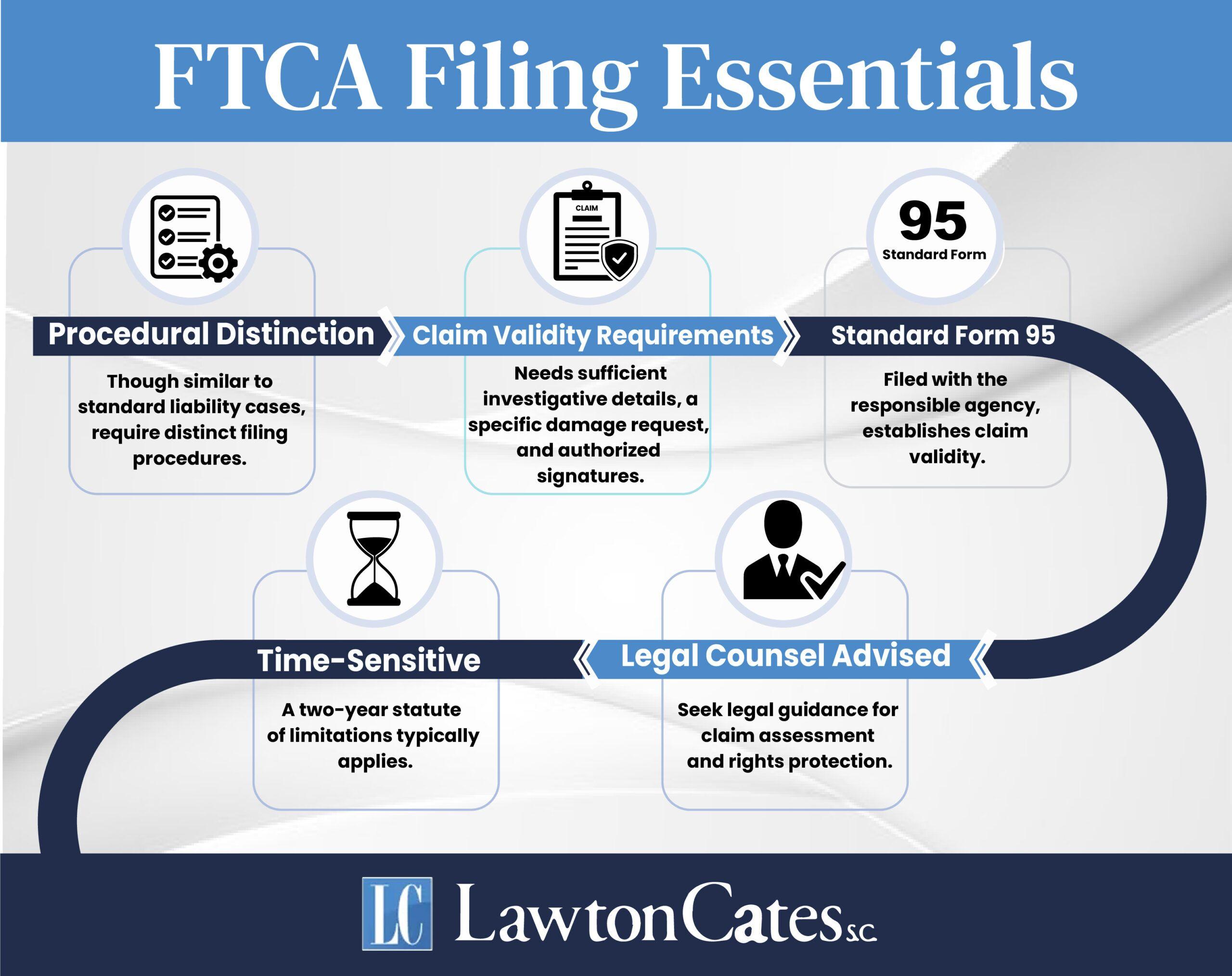
involves a few crucial steps that you must follow diligently. **Before you file a lawsuit**, it is essential to submit a tort claim to your State’s Attorney General. Once filed, you are required to **wait 60 days** to receive a response. If you don’t hear back, or if you receive a letter stating either an investigation will happen or a refusal to take action, it’s critical to proceed and file your lawsuit without delay after this 60-day mark. This is a firm deadline; neglecting it can result in forfeiting your right to legal action. The time to act is now – you must be ready to file your lawsuit right after the waiting period.
When preparing to file your lawsuit, it is highly advisable to **pay the filing fee**. In many states, this fee hovers around **$400**, and having this paid can significantly impact the longevity of your case. Cases with paid filing fees tend to remain open longer, wich can be crucial for gathering necessary evidence and testimonies. remember to download and fill out the correct tort claim form specific to your circumstances, ensuring that any dates you provide are not older than three years prior, as this will bolster the credibility of your claim. Be mindful of detail, especially regarding any injuries incurred, as they may also impact future damages and the seriousness with which your case will be handled.
Key steps to Preparing a Strong Lawsuit

To effectively prepare for a strong lawsuit, the first critical step involves filing a **Tort Claim** with your state’s Attorney General. It’s essential to act swiftly; you must file your lawsuit exactly **60 days** after submitting your tort claim. Delaying beyond this period can jeopardize your case, as your opportunity to proceed may be lost. Make sure to monitor communications following your claim; if you don’t receive a response, or if they express indifference, do not hesitate to proceed with your lawsuit at the 60-day mark. Taking timely action is key to ensuring that your case remains active and considerable.
Alongside the timely filing of your lawsuit, it’s highly advisable to pay the **filing fee**. Even though the fee varies by state-frequently enough around **$400**-it serves a crucial purpose: cases where the filing fee is paid typically remain open for a much longer period. Many have experienced the difference firsthand; those who paid their fees saw their cases remain valid for years, while others faced closures due to neglecting this step. When completing your forms, ensure you document all relevant details accurately, including the injuries sustained, while being mindful to focus on events from the last three years to maintain credibility. Sticking to these guidelines will significantly strengthen your legal standing.
The Importance of Filing Fees in Legal Cases

Filing fees play a crucial role in the legal process, serving as a financial gateway to justice. when pursuing a lawsuit, notably after filing a tort claim with the State Attorney General, it is imperative to meet certain deadlines and requirements. after filing your claim, you have a strict 60-day period to file a lawsuit. If you wait longer than this window, you risk losing the opportunity to seek legal resolution. Paying the filing fee-often around $400 in many states-ensures that your case remains active and can be reviewed over a longer period. Many litigants find that cases without paid fees tend to close more quickly and may even dismiss claims without thorough examination.
Moreover, the strategic importance of paying these fees cannot be understated. According to experience shared by those who have sued multiple times,cases where the filing fees were paid tended to stay open for years,allowing for better chances of resolution. Additionally, it is advisable to avoid seeking help from legal professionals who may have conflicting interests, such as notifying other parties involved in the case. Rather, individuals shoudl rely on official state resources to file necessary forms accurately, ensuring that all relevant facts is documented correctly and legitimately. The completion and payment of filing fees not only signify seriousness but can also aid in maintaining the momentum of a legal battle, providing a stronger foundation for potential future damages.
Why Avoiding Legal Representation Can Benefit Your Case

Choosing to forgo legal representation can sometiems lead to a more straightforward path in legal proceedings. When individuals handle their own cases, they retain complete control over their narratives and strategies. This autonomy allows for a more personalized approach, where the individual can directly articulate their experiences and concerns without legal jargon potentially complicating the matter. Additionally, without the influence of legal counsel, parties may find it easier to navigate the emotional aspects of their cases, as they can confront issues on their own terms. This straightforwardness can foster a clearer interaction line with opposing parties, potentially leading to faster resolutions.
Moreover, avoiding legal representation can result in significant financial savings, particularly when it comes to legal fees or contingency percentages that attorneys typically charge. While this approach may seem daunting, individuals can often find resources and templates online to assist with paperwork and legal processes. By being proactive and informed, they can effectively manage their claims, such as filing a tort claim with the State’s Attorney General within the designated timelines. Notably, when handling matters independently, individuals are also less likely to inadvertently share sensitive information with attorneys, which can sometimes complicate cases, especially in situations involving child services. In essence, without the barriers that come from legal intermediaries, individuals can navigate their cases with greater clarity and reduced financial burden.
Key Takeaways
as we wrap up our exploration of the critical steps to take before filing a tort claim, it’s clear that understanding the process is essential for anyone seeking justice. In this video, we tackled the importance of the 60-day waiting period after filing your claim and highlighted the necessity of preparing for a lawsuit promptly. Paying your filing fees ensures that your case remains active and can significantly impact its duration.
Remember, the tort claim process can be complex, and it’s vital to gather all necessary information and fill out your forms carefully. Stay informed, stay proactive, and don’t hesitate to seek resources that can guide you through the intricacies of legal action. This journey may seem daunting, but with the right approach, you can pursue your case effectively.
Thank you for joining us today. We hope you found this discussion helpful and empowering in navigating the tort claim landscape. Until next time, take care and stay informed!