

In the intricacies of the American legal system, few processes are as emotionally charged and complex as the termination of parental rights. The YouTube video titled “Termination of Parental Rights Trial Audio Biomom Exhibits Superior court of King County Seattle” sheds light on a deeply personal and poignant case that ultimately raises critical questions about justice, accountability, and the fragility of familial bonds. in this audio, a mother recounts her harrowing experience following the removal of her child in March 2020, based on a solitary unfavorable drug screening amidst a backdrop of clean tests. As she presents her exhibits for the court’s consideration, the narrative unfolds against the stark realities of systemic challenges, including the misuse of legal evidence and the tragic loss of her son. This blog post will explore the vital themes raised in the trial, including the mother’s struggle against the implications of past legal actions, the controversial role of Child protective services, and the heart-wrenching implications of a system poised to prioritize regulation over rehabilitation. Join us as we navigate this complex case, highlighting the personal and legal dimensions of parental rights termination.
Understanding the Legal Complications in Termination of Parental Rights Cases
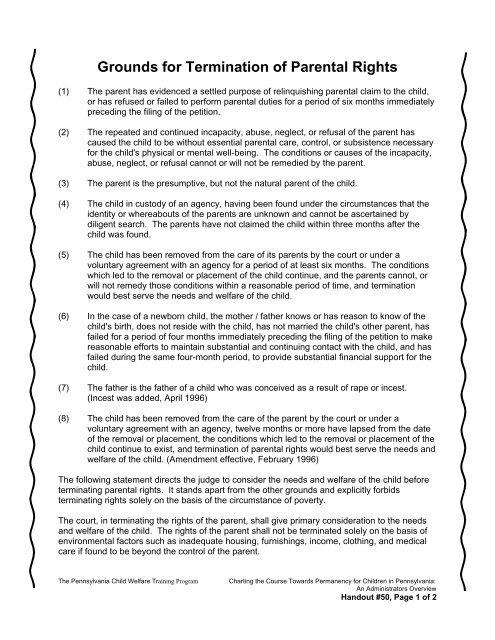
Termination of parental rights cases often involve intricate legal challenges that arise from the evidence presented in court. In one notable instance, a mother detailed her experience where her rights were threatened based on a single drug screening result from 2020, which was outweighed by subsequent clean tests. Though, complications escalated as the state leveraged her lawsuits against a former judge as purported evidence of unfitness. This raised profound questions about the integrity of evidence used in such sensitive cases. Key aspects include:
- Lawsuits as Evidence: The use of personal legal disputes can skew perceptions of parental fitness.
- manipulation of Records: Altered documents and biased testimonies can undermine a parent’s defense.
Additionally, the emotional toll of such cases is exacerbated by tragic circumstances, as seen when a mother’s late son became a focus of blame despite his inability to contest the allegations. The court proceedings involved multiple objections to documents lacking completeness, emphasizing the notable challenges families face in ensuring fair representation. For parents, understanding the full scope of their rights and the potential misuse of legal proceedings is critical. Consideration should be given to these factors:
- Revelation Challenges: The volume and association of discovery materials can obscure critical information.
- Judicial Accountability: The role of judges in these cases must be scrutinized to prevent bias from impacting outcomes.
The Role of Substance Abuse Allegations in Custody Trials

In the complex arena of custody trials, allegations of substance abuse can weigh heavily on parental rights.This was starkly illustrated during a recent termination trial where a mother revealed that a single “dirty” drug test in March 2020 led to her child’s removal, despite the mother having had multiple clean screenings thereafter. The state used this isolated incident, alongside lawsuits that the mother filed against a judge, as pivotal evidence in the decision-making process. The emotional toll was profound, as she recounted how the court’s manipulation of her past circumstances, including the tragic loss of her child, painted a misleading narrative designed to undermine her parental capabilities. The mother argued that the evidence was selectively presented, with important context omitted, portraying her as an unfit parent even as she actively sought to provide care and support for her child amidst significant challenges.
The ramifications of such allegations extend beyond mere local legal implications; they highlight a broader issue regarding the treatment of parents within the dependency system. Courts often rely on evidence of substance abuse to dictate the course of custody decisions. Factors considered can range from documented drug test results to witness testimonies. Furthermore, in the case at hand, claims suggesting that her deceased son had been involved in drug use while in her care were particularly troubling, as they relied on circumstances that could not be refuted given the child’s inability to testify. The trial revealed how crucial it is indeed to establish a clear link between any alleged substance abuse and its perceived impact on parenting, which frequently enough requires thorough and obvious examination of all evidence. Ultimately, the focus must remain on ensuring the welfare of the child while safeguarding parental rights, emphasizing the need for fairness and completeness in the judicial process.
Challenges Faced by Parents in Dependency Hearings: A Personal Perspective
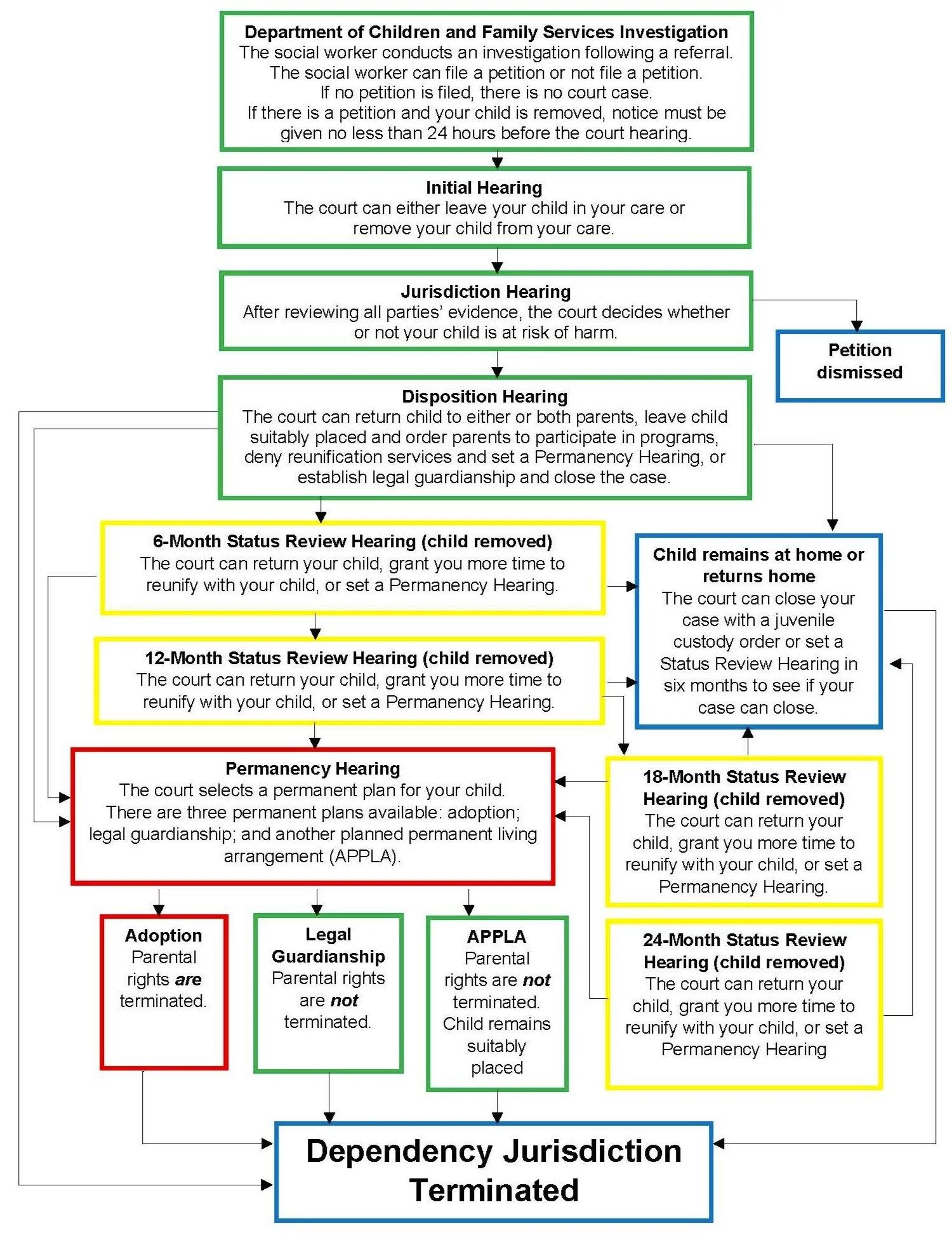
Navigating the complexities of dependency hearings can be an overwhelming experience for parents, particularly when faced with the pressure of a system that often feels biased and unjust. A significant challenge arises from the reliance on past incidents, such as a single dirty drug screen that led to drastic consequences, like the removal of my child in March 2020. despite the fact that three of my four drug screens were clean, the state has exploited my legal battles against previous judges to argue for the termination of my parental rights. This showcases a troubling pattern where parents are held accountable for circumstances that may not tell the whole story, and where the past can overshadow the present efforts to improve and provide a safe environment for their children.
Moreover, the emotional turmoil of enduring a trial while processing the loss of my son complicates the situation even further. During the 2022 hearings, Judge McCoy made it clear that my intentions to save my son’s life were acknowledged, yet the system has since manipulated facts and documentation to place blame unfairly on him. For instance, claims have emerged suggesting my late son was involved in drug use at home, despite verifiable evidence that he was incarcerated during those periods. This blatant disregard for truth not only amplifies the struggles we face as parents but also raises serious ethical questions about the actions of Child Protective Services and the integrity of the judicial process. Understanding the grave implications of such manipulations is vital as we strive to advocate for fair treatment and the right to parent our children without being subjected to unjust and harmful narratives.
The Importance of Comprehensive Documentation in Family Court Proceedings

In family court proceedings, particularly those involving the termination of parental rights, comprehensive documentation is crucial. This trial showcased the reliance on various exhibits to substantiate claims and counterclaims made during the proceedings. For instance, a single drug screen led to the removal of the child, but context is vital: the mother had three clean screens out of four. Documenting every aspect of the case, including the timeline of events and details of legal actions taken against the initial judge, is essential for presenting an accurate narrative to the court.The mother highlighted the manipulation of information by CPS, which utilized edited evidence to create a misleading portrayal, illustrating how critical thorough documentation is in proving one’s case.
Moreover, maintaining meticulous records can assist in countering accusations and demonstrating the efforts made to protect the child’s best interests. The involvement of professionals, such as testimony from schools and medical personnel, further reinforces a parent’s argument. In this case,claims were made regarding a deceased child’s supposed behavior that were framed as evidence against the mother,emphasizing the need for accurate and complete records. A lack of full transparency in evidence submission can lead to significant implications for the case, as demonstrated by the court’s debate over the completeness of submitted documents. Thus, thorough documentation not only supports a parent’s position but also serves as a safeguard against unfounded claims.
Closing Remarks
As we conclude our exploration of the intricate and emotional narrative surrounding the termination of parental rights presented in the YouTube video, it’s crucial to reflect on the complexities faced by parents entangled in the judicial system. The experiences shared reveal a profound struggle against systemic challenges and personal tragedies, highlighting the often-overlooked realities that many families endure. The speaker’s account serves not only as a stark reminder of the consequences of a single misstep in a parent’s life-illustrated by the devastating impact of a solitary drug screen-but also as a call to reevaluate how justice and family protection intersect.
through the lens of this trial, we are reminded that every case is more than just legal minutiae; it comprises human lives filled with hopes, fears, and unyielded love. As the speaker navigated court documents and the maze of legal jargon, their determination to advocate for their family shines through, raising questions about fairness, accountability, and the importance of empathy within such critical proceedings.
In closing, let this discussion encourage us to think critically about our own roles in supporting families and fostering environments where love and security can flourish, rather than dissolve under the weight of institutional challenges. Thank you for joining us in this poignant exploration, and may we continue to seek justice and understanding for all families facing similar battles.